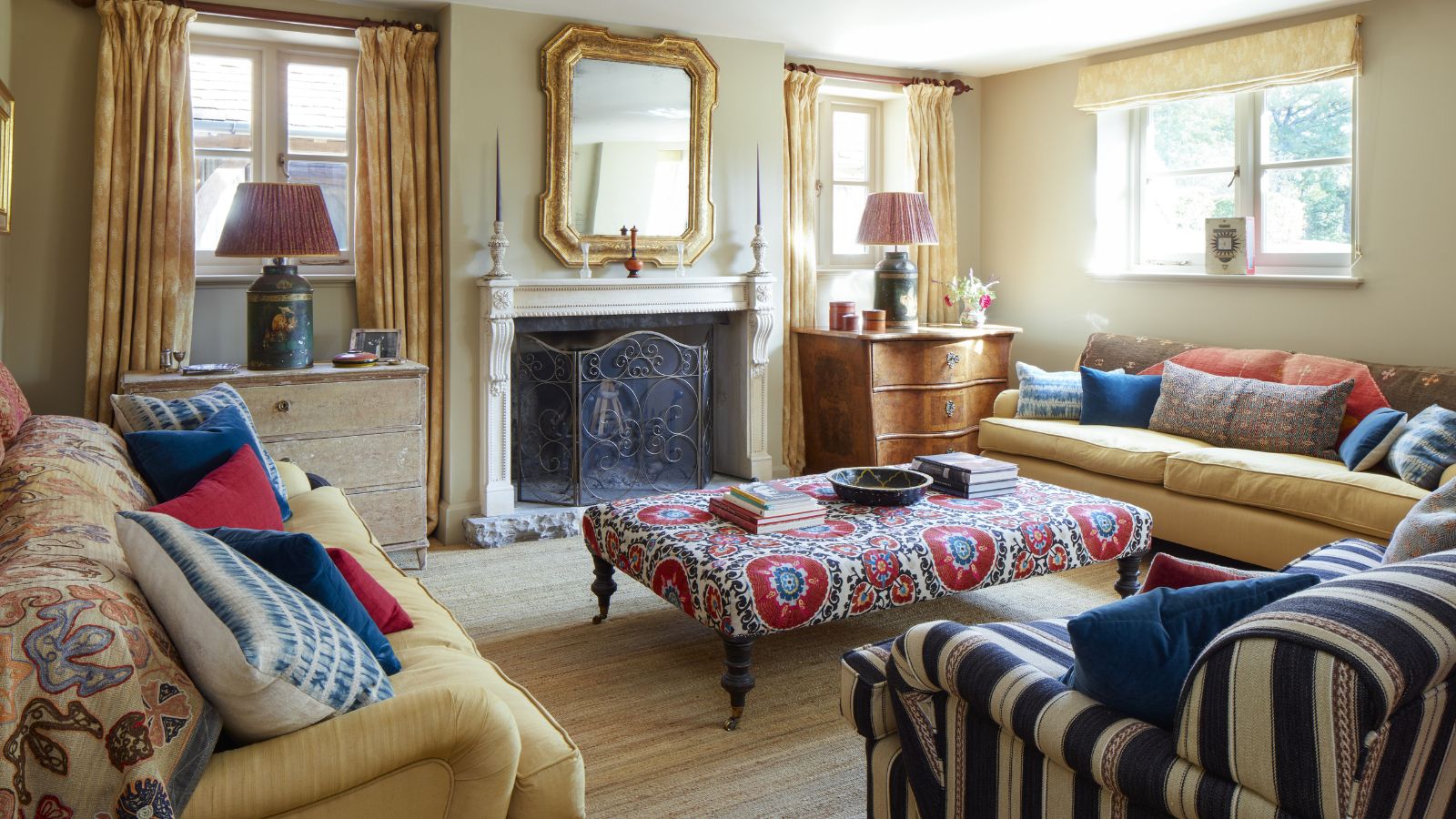
A well-designed home is more than just a beautiful space—it’s a reflection of your personality and a place where comfort meets functionality. I remember when I first tried redesigning my living room. I wanted it to feel modern, cozy, and functional, but without spending a fortune. After experimenting with furniture placement, colors, and simple decor upgrades, I realized that even small, thoughtful design choices can dramatically transform a home.
This guide will share practical interior design tips that are easy to implement, beginner-friendly, and help create a space that feels stylish, functional, and inviting.
Why Interior Design Matters
Interior design isn’t just about aesthetics. Thoughtful design impacts daily life in many ways:
-
Improves comfort and functionality: Makes daily activities smoother
-
Enhances mood and well-being: Pleasant spaces promote relaxation and creativity
-
Maximizes space usage: Smart layouts prevent clutter and wasted areas
-
Reflects personal style: Makes your home uniquely yours
Even minor adjustments, like rearranging furniture or adding textures, can create a significant difference in how a room feels.
Start with a Vision
Before making changes, define your design vision.
Steps to Create a Vision
-
Identify Your Style: Modern, minimalist, rustic, bohemian, or eclectic?
-
Choose a Color Palette: Limit to 2–3 main colors plus accents
-
Set Priorities: Determine what’s most important—comfort, aesthetics, functionality
-
Gather Inspiration: Use mood boards, Pinterest, or magazines
A clear vision guides design decisions and ensures a cohesive look.
Furniture Placement Strategies
How furniture is arranged affects both function and flow.
Tips for Effective Placement
-
Define a Focal Point: Arrange furniture around a fireplace, TV, or large window
-
Consider Traffic Flow: Leave at least 30–36 inches of walking space between pieces
-
Create Functional Zones: Use rugs or furniture placement to separate areas in open-plan spaces
-
Balance Scale: Ensure furniture size matches room size; avoid oversized or tiny pieces
-
Float Furniture: Pull pieces away from walls to create openness and conversation zones
Proper furniture placement makes rooms feel comfortable, inviting, and efficient.
Play with Colors and Textures
Color and texture bring personality and depth to any room.
Color Tips
-
Neutral Base: Use neutral colors for walls and large furniture for versatility
-
Accent Colors: Add pops of color through pillows, rugs, or artwork
-
Consistency: Use a limited palette to maintain harmony throughout the home
Texture Tips
-
Combine smooth, rough, soft, and shiny textures to create visual interest
-
Layer rugs, throws, cushions, and curtains
-
Mix materials like wood, metal, glass, and fabrics for depth
A thoughtful mix of color and texture adds warmth and personality.
Lighting Matters
Lighting affects both functionality and ambiance.
Interior Lighting Tips
-
Layered Lighting: Combine ambient (general), task (work), and accent (decor) lighting
-
Maximize Natural Light: Position mirrors or light furniture near windows to reflect light
-
Feature Lighting: Use statement chandeliers or pendant lights as design focal points
-
Adjustable Lighting: Dimmer switches allow mood flexibility
Good lighting enhances comfort and highlights your home’s best features.
Incorporate Functional Decor
Decor isn’t just about looks—it can be functional too.
-
Storage Furniture: Use ottomans, benches, and shelves with storage
-
Decorative Baskets: Stylish yet practical for organization
-
Multipurpose Pieces: Foldable tables, sofa beds, and wall-mounted desks
-
Wall Art & Mirrors: Add visual interest and create the illusion of space
Functional decor maintains style while keeping your home organized.
Personal Touches
Your home should reflect who you are.
-
Family Photos: Display in stylish frames or gallery walls
-
Travel Souvenirs: Use meaningful items as conversation starters
-
DIY Projects: Handmade art, painted furniture, or custom shelves
-
Plants: Add greenery to bring life, texture, and freshness
Personal touches make your space unique and welcoming.
Small Space Design Tips
Small rooms require special consideration to avoid feeling cramped.
-
Light Colors: Light walls and furniture make spaces feel larger
-
Multipurpose Furniture: Beds with drawers, nesting tables, or foldable desks
-
Vertical Storage: Shelves and tall cabinets save floor space
-
Minimal Clutter: Only keep essential or decorative items visible
Even small adjustments can create a sense of openness and functionality.
Common Interior Design Mistakes to Avoid
-
Ignoring Scale: Oversized furniture overwhelms, tiny pieces get lost
-
Overcrowding: Too many items reduce flow and visual appeal
-
Mismatched Styles: Mixing too many styles creates chaos
-
Neglecting Functionality: Aesthetic choices shouldn’t compromise usability
-
Poor Lighting: Insufficient lighting makes even beautiful spaces feel dull
Avoiding these mistakes ensures a functional, comfortable, and stylish home.
Final Thoughts
Interior design is about balancing aesthetics, functionality, and personal expression. By focusing on furniture placement, color palettes, textures, lighting, functional decor, and personal touches, even beginners can create a home that feels beautiful, comfortable, and uniquely theirs.
Small, thoughtful changes—like adding a layered rug, repositioning furniture, or incorporating a few statement decor pieces—can dramatically transform your space. With planning, creativity, and practical strategies, interior design can be both enjoyable and rewarding.