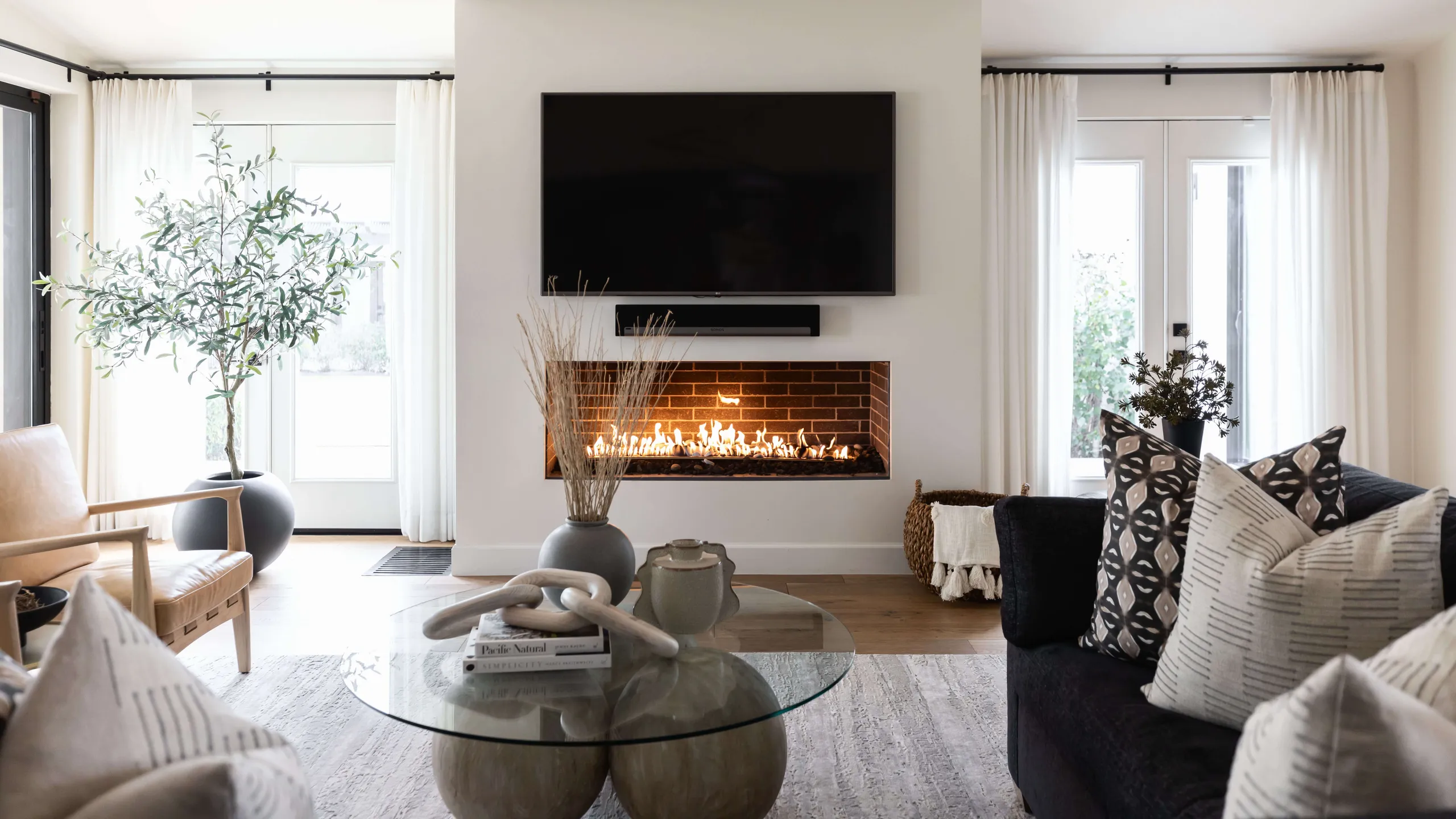
A well-designed furniture layout can completely transform a room. Whether your goal is to make a small space feel bigger, improve flow, or create cozy zones for family and guests, strategic furniture placement can make your home feel functional and inviting.
I learned this firsthand when I moved into a new apartment. My living room initially felt cramped and awkward, with sofas blocking light and tables cluttering walkways. After experimenting with different layouts, measuring spaces, and considering traffic flow, I discovered that simple adjustments could make the room feel spacious, organized, and comfortable.
In this guide, we’ll explore practical furniture layout solutions that are beginner-friendly, cost-effective, and adaptable for any room.
Why Furniture Layout Matters
Many people underestimate how furniture placement affects the feel of a room. A poor layout can lead to:
-
Crowded or cluttered spaces
-
Restricted movement and awkward pathways
-
Inefficient use of space
-
Reduced comfort and usability
A thoughtful layout, on the other hand, can:
-
Make a room feel larger
-
Create functional zones for different activities
-
Improve traffic flow and accessibility
-
Enhance the overall aesthetic of the space
Measure Before You Move
Before rearranging or buying furniture, measure your space accurately.
Tips for Measuring
-
Measure the length and width of the room
-
Note the placement of doors, windows, and outlets
-
Consider ceiling height for taller furniture
-
Measure existing furniture before attempting to fit it
Accurate measurements prevent trial-and-error frustration and ensure a functional layout.
Determine Room Function
Each room has a purpose, and your furniture layout should support that.
Examples:
-
Living Room: Focus on seating for conversation and media viewing
-
Bedroom: Prioritize the bed as the main focal point, with clear pathways
-
Home Office: Ensure desk placement supports productivity and natural light
-
Dining Room: Optimize table placement for easy access and movement
Understanding the function of the space guides your placement decisions.
Establish a Focal Point
Most rooms benefit from a focal point—a visual anchor around which furniture is arranged.
Common Focal Points
-
Fireplace or TV
-
Large window with a view
-
Artwork or gallery wall
-
Statement furniture piece
Arrange seating and tables around this focal point to create a natural flow and balanced design.
Optimize Traffic Flow
Good traffic flow ensures people can move comfortably without bumping into furniture.
Tips for Traffic Flow
-
Leave at least 30–36 inches of walking space between furniture pieces
-
Avoid blocking doorways or windows
-
Angle furniture if it improves circulation and creates visual interest
-
Keep pathways direct and unobstructed
A clear pathway makes a room feel open and welcoming.
Create Functional Zones
In larger rooms, dividing the space into zones can improve usability and comfort.
Example Zones
-
Living Room: Seating area, reading nook, media zone
-
Open-Plan Spaces: Dining area separate from living area
-
Bedroom: Sleeping area, workspace, small seating corner
Use rugs, lighting, or furniture placement to define zones without creating barriers.
Use Furniture Wisely
Choosing the right furniture and placing it strategically can enhance both style and function.
Tips
-
Scale: Select furniture that fits the room proportionally; avoid oversized pieces in small spaces
-
Multipurpose Pieces: Use ottomans with storage, foldable tables, or sofa beds
-
Vertical Space: Utilize wall-mounted shelves and tall bookcases to free floor space
-
Floating Furniture: Pull furniture away from walls to create a sense of openness
These strategies help maximize space while maintaining comfort.
Layering and Arrangement Techniques
How you position furniture affects the visual balance and flow of a room.
Common Layouts
-
Symmetrical Arrangement: Pairs of sofas, chairs, or tables facing each other for formal balance
-
Asymmetrical Arrangement: Mix different furniture pieces for a casual, modern feel
-
L-Shaped Layout: Perfect for corner seating arrangements and maximizing open floor space
-
U-Shaped Layout: Ideal for living rooms or media areas to encourage conversation
-
Floating Furniture: Positions furniture in the center of the room to create better circulation and define zones
Experimenting with different arrangements helps identify the layout that works best for your space.
Tips for Small Spaces
Small rooms require special attention to avoid overcrowding.
-
Use light-colored or reflective furniture to create the illusion of space
-
Opt for pieces with exposed legs to maintain visual openness
-
Choose multifunctional furniture (folding tables, storage beds)
-
Keep pathways clear and minimize unnecessary pieces
Even small adjustments can make a compact space feel roomy and organized.
Lighting Considerations
Lighting affects both functionality and ambiance. Furniture placement should complement natural and artificial light sources.
-
Avoid blocking windows with large pieces
-
Position reading chairs or desks near natural light
-
Use lamps or pendant lights to create cozy zones
-
Reflective surfaces like mirrors can enhance light and openness
Lighting-aware placement improves both aesthetics and usability.
Common Furniture Layout Mistakes
Being aware of common pitfalls helps prevent frustration.
-
Blocking Focal Points: Avoid placing furniture in front of fireplaces or windows unnecessarily
-
Ignoring Scale: Oversized furniture overwhelms small rooms, tiny pieces get lost in large rooms
-
Cluttered Arrangement: Too many items reduce open space and visual appeal
-
Neglecting Function: Arrangements that look good but are impractical can frustrate daily use
Final Thoughts
Furniture layout is both an art and a practical consideration. By measuring your space, defining function, establishing focal points, optimizing traffic flow, and selecting the right furniture, you can create a home that is both stylish and functional.
Remember, small adjustments—moving a sofa, angling a chair, or floating furniture away from the walls—can have a significant impact. With patience and experimentation, even beginner decorators can achieve a comfortable, aesthetically pleasing, and functional home layout.