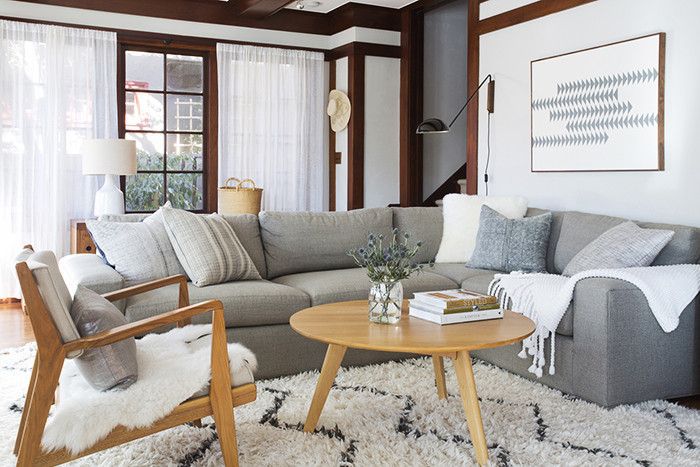
A cluttered home can affect more than just your living space—it can create stress, reduce productivity, and make daily routines more difficult. I experienced this firsthand when my kitchen and living room became crowded with miscellaneous items, making it hard to find what I needed and leaving me feeling overwhelmed. That’s when I realized the power of effective home organization solutions.
This guide will provide practical, beginner-friendly strategies to declutter, organize, and maintain every area of your home. By applying these solutions, you can create a functional, calming, and enjoyable living environment without spending a fortune.
Why Home Organization Matters
Home organization isn’t just about neatness—it impacts your daily life in several ways:
-
Reduces stress: A tidy home creates a sense of calm
-
Improves efficiency: Less time spent searching for items
-
Maximizes space: Make the most of every corner
-
Supports cleaning: Organized spaces are easier to maintain
Even small improvements can make a noticeable difference in comfort and functionality.
Step 1: Decluttering – Start with What You Don’t Need
Before organizing, it’s important to remove unnecessary items.
Practical Decluttering Tips
-
The One-Year Rule: If you haven’t used it in a year, consider donating, selling, or discarding it.
-
Sort by Category: Clothes, kitchen items, books, and decor are easier to manage when grouped.
-
Use Boxes or Bags: Label items as “Keep,” “Donate,” or “Discard.”
-
Start Small: Begin with a drawer or a single cabinet to avoid feeling overwhelmed.
Decluttering simplifies the organization process and helps you focus on what really matters.
Step 2: Maximize Storage Solutions
Effective storage is key to a well-organized home.
Closet and Wardrobe Organization
-
Use Vertical Space: Install extra shelves or hanging organizers
-
Drawer Dividers: Keep small items like socks or accessories neat
-
Seasonal Rotation: Store out-of-season clothes in labeled bins
-
Uniform Hangers: Streamline appearance and maximize space
Kitchen Organization
-
Clear Containers: Store grains, pasta, and snacks in transparent containers
-
Lazy Susans: Make use of deep cabinets efficiently
-
Drawer Inserts: Organize utensils, cutlery, and gadgets
-
Hooks and Racks: Hang pots, pans, and mugs to free counter space
Living Room and Common Areas
-
Storage Ottomans: Dual-purpose furniture for seating and storage
-
Baskets and Bins: Group items like toys, magazines, or blankets
-
Shelving Units: Vertical storage to keep floors clear
-
Cable Management: Use clips or boxes to hide cords and chargers
Step 3: Create Zones for Every Room
Dividing your space into functional zones helps maintain organization and improves efficiency.
Examples of Zones
-
Kitchen: Cooking, prep, pantry, and cleaning zones
-
Living Room: Entertainment, reading, and workspace areas
-
Bedroom: Sleep, dressing, and small relaxation or study areas
-
Home Office: Work, storage, and filing sections
Clearly defined zones prevent clutter from spreading and make it easier to find items.
Step 4: Label Everything
Labeling is a simple but powerful way to maintain organization.
-
Drawer and Shelf Labels: Make items easy to locate
-
Bins and Containers: Indicate contents at a glance
-
Cable and Electronics Labels: Avoid confusion and tangles
-
Pantry Labels: Helps track expiration dates and maintain inventory
Labels provide clarity for everyone in the household and reduce repeated searching.
Step 5: Optimize Small Spaces
Even compact areas can be functional with smart solutions.
Tips for Small Spaces
-
Use Multi-Functional Furniture: Beds with storage drawers, foldable tables, or sofa beds
-
Wall-Mounted Storage: Shelves, hooks, and pegboards free up floor space
-
Under-Bed Storage: Utilize boxes or rolling drawers
-
Vertical Organization: Stackable containers or tall shelving units maximize unused space
These solutions help small rooms feel spacious and organized.
Step 6: Maintain Organization Daily
Organization is not a one-time task—it’s about developing sustainable habits.
Simple Daily Habits
-
Return items to their designated places immediately
-
Do a 10-minute tidy-up at the end of the day
-
Sort mail and paperwork daily to prevent piles
-
Donate or discard unused items periodically
Small consistent actions prevent clutter from accumulating again.
Step 7: Organize With a System
Systems make organization predictable and easy to maintain.
Examples
-
Rotating Seasonal Items: Use labeled bins for off-season clothes or decorations
-
Color Coding: Assign colors for each category or family member
-
Inventory Lists: Keep track of pantry or storage items to avoid duplicates
-
Checklists: For chores or household maintenance tasks
A system provides structure and reduces decision fatigue.
Step 8: DIY Storage Solutions
DIY projects can make organization more affordable and customized.
-
Repurpose Old Boxes: Decorate and use them for drawer storage or shelves
-
Mason Jars: Great for small items like spices, buttons, or office supplies
-
Pegboards: Organize tools, kitchen utensils, or craft materials
-
Floating Shelves: Add vertical storage in living rooms, bedrooms, or kitchens
DIY solutions are budget-friendly and allow you to tailor storage to your needs.
Common Mistakes to Avoid
-
Overfilling Storage: Too many items in a drawer or shelf makes it hard to maintain
-
Ignoring Zones: Random placement leads to clutter
-
Skipping Decluttering: Organizing without removing unnecessary items is less effective
-
Neglecting Maintenance: Organization requires regular upkeep
Being mindful of these mistakes helps ensure lasting results.
Benefits of a Well-Organized Home
-
Reduces stress and creates a calm environment
-
Saves time by easily finding items
-
Increases usable space
-
Encourages better daily routines
-
Enhances the visual appeal of your home
Final Thoughts
Home organization is about creating systems, decluttering intelligently, and making spaces functional and visually appealing. By combining smart storage solutions, defined zones, labeling, and sustainable habits, you can transform your home into a peaceful, efficient, and enjoyable environment.
Even small changes—like adding baskets for clutter, labeling pantry containers, or creating a simple daily tidy routine—can make a significant difference in how your home feels and functions.
If you want, I can also create a complete room-by-room home organization blueprint with 30+ actionable solutions for the living room, kitchen, bedroom, office, and even small apartments. This would give you a ready-to-follow guide to declutter and organize your entire home efficiently.